


AI in mental health is no longer science fiction. It is already changing how people look for support, track their mood and prepare for therapy. The reason is simple: demand for psychological care keeps growing, while the number of trained professionals does not keep pace. According to the World Health Organization, mental disorders affect hundreds of millions of people, and many of them never receive care.
However, not every tool deserves trust. The AI that matters here must be emotionally aware, clinically informed and built around people. In this article, we look at what that means in practice, and where Eternilink fits.
Why AI in mental health is growing so fast
Three forces drive the shift. First, waiting lists for therapy are long in many countries. Second, stigma still stops people from asking for help face to face. Third, the technology itself has matured: language models now hold natural conversations, and everyday sensors can capture signals like heart rate.
Together, these trends open a door. A private, always-available companion can offer a first step for someone who is not ready to book an appointment. It can also keep people engaged between sessions when they already see a professional.
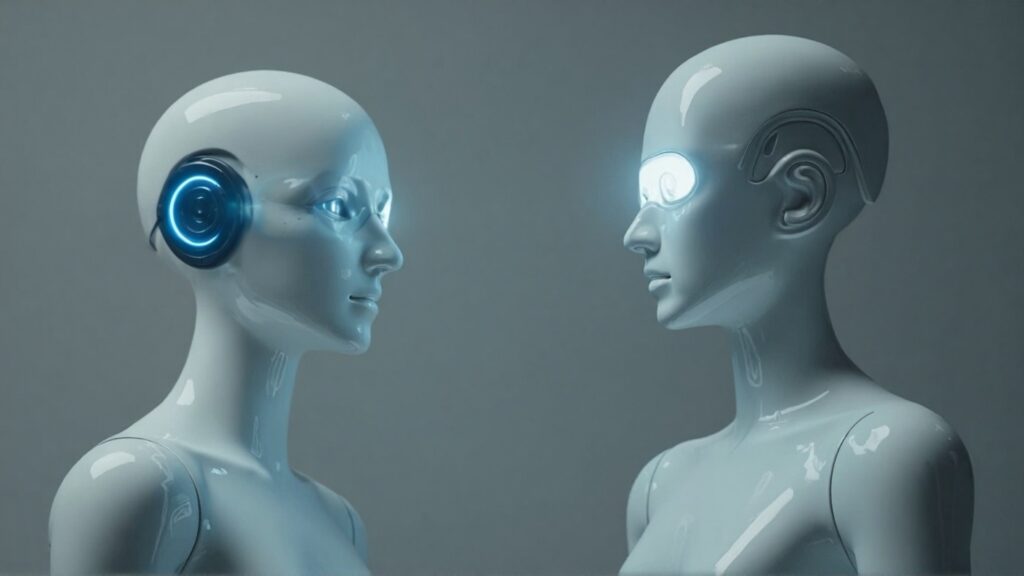
AI with emotional depth
Traditional chatbots struggle with emotion. They follow scripts and often miss what a person really means. Neyla, the Eternilink virtual psychologist, is designed differently. She draws on psychology, neurotherapy and psychotherapy knowledge, and she adapts each conversation to your tone, your history on the platform and, if you choose, your biometric signals.
A companion that learns with you
Neyla does not just talk. Each session refines her understanding of your needs, thanks to your feedback and, when you allow it, data such as heart rate or facial expressions. As a result, conversations become more relevant over time. For example, if breathing exercises help you more than journaling, she will suggest them first.

What AI in mental health cannot do
Being clear about limits matters. AI cannot diagnose. It cannot replace a therapist’s judgment, and it must never be the only support for someone in crisis. That is why Eternilink is built to complement human care, not to replace it. We explain this in more detail in why AI will not replace therapists.
Meanwhile, evidence-based treatments remain the foundation. The National Institute of Mental Health gives a clear overview of the psychotherapies that professionals use today.
Eternilink is not replacing human therapists. Instead, it creates accessible support where no therapist is available.
The road ahead
As the technology matures, emotionally intelligent AI could become a new first line of support: always available, private and easy to reach. Still, it will work best when it hands people over to qualified professionals at the right moment.
Want to see how this works in practice? Explore our features, or join the waitlist for early access to Neyla.
Eternilink is a wellness support tool and does not provide medical diagnosis or treatment. If you are in crisis or think you may be in danger, contact your local emergency number immediately.